
Table of Contents
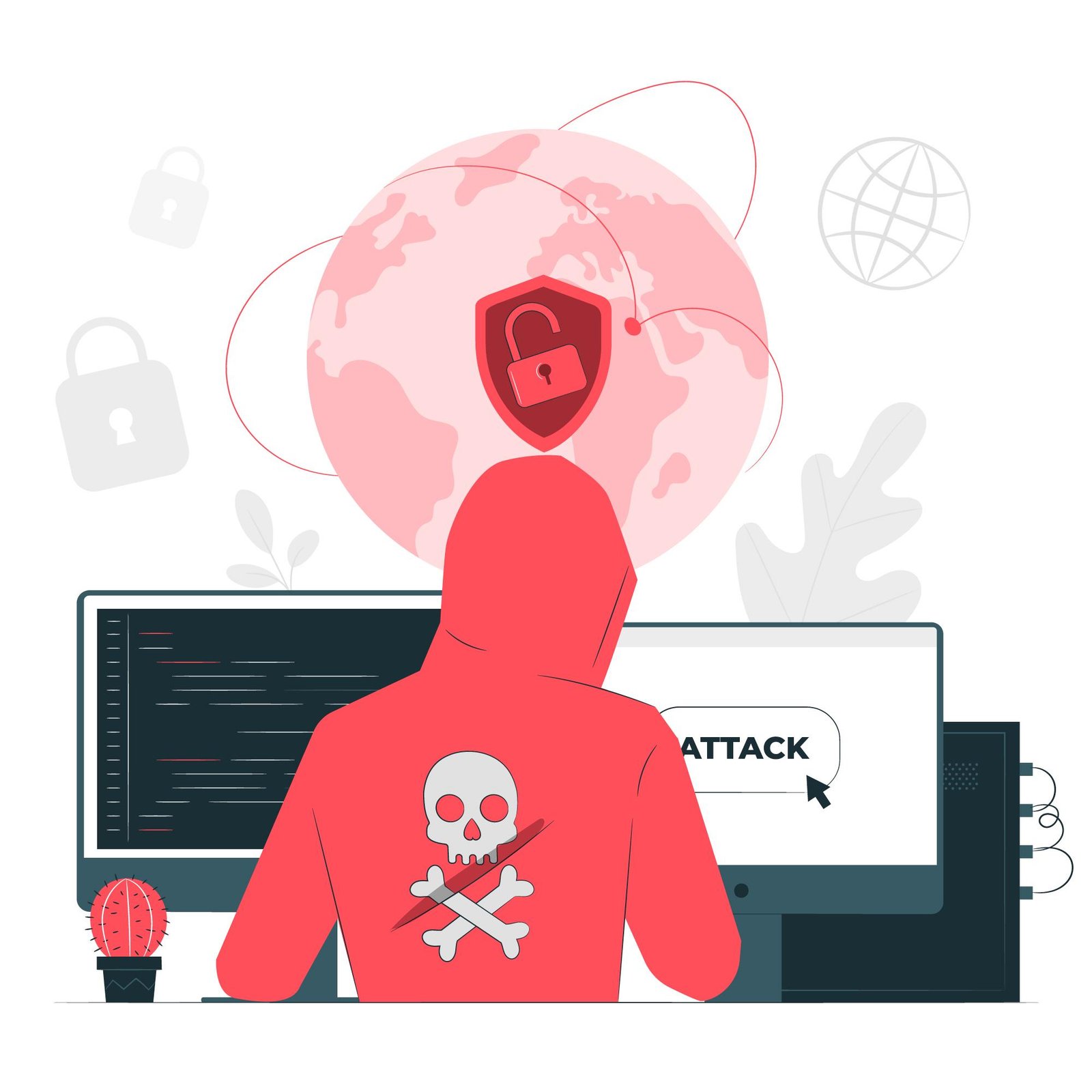
n an era dominated by digital transactions and online interactions, cyber frauds have become a pressing concern. As cybercriminals devise sophisticated methods to deceive individuals and organizations, it is imperative to stay informed and vigilant. Here’s how you can protect yourself from cyber frauds and avoid unintentional digital arrests.
Understanding Cyber Frauds
Cyber frauds involve deceptive practices conducted via digital platforms to steal money, data, or identities. Common cyber fraud types include:
- Phishing Attacks – Fraudsters use fake emails, messages, or websites to trick individuals into revealing personal information such as passwords and bank details.
- Identity Theft – Cybercriminals steal personal data to impersonate individuals and commit financial fraud.
- Online Scams – Fake investment schemes, lottery scams, and shopping frauds that trick users into making payments.
- Ransomware Attacks – Malicious software that locks access to data until a ransom is paid.
- Social Engineering Attacks – Manipulating victims into sharing confidential information through psychological tactics.
How to Protect Yourself from Cyber Frauds
- Use Strong Passwords – Create complex passwords with a mix of uppercase, lowercase, numbers, and special characters. Use different passwords for different accounts.
- Enable Multi-Factor Authentication (MFA) – Adding an extra layer of security through MFA significantly reduces the risk of unauthorized access.
- Beware of Phishing Attempts – Always verify the sender before clicking on links in emails or messages. Avoid sharing sensitive information online.
- Secure Your Devices and Network – Install antivirus software, keep your system updated, and use a secure Wi-Fi connection.
- Avoid Unverified Websites and Downloads – Always check the legitimacy of websites and avoid downloading software or apps from unknown sources.
- Monitor Your Financial Transactions – Regularly review bank statements and credit reports to detect unauthorized transactions.
- Educate Yourself and Others – Stay informed about the latest cyber threats and educate family members and colleagues about cybersecurity best practices.
Avoiding Digital Arrests and Legal Issues
With increasing regulations and cybersecurity laws, unintentional online activities can sometimes lead to legal consequences. Here’s how to stay safe:
- Respect Copyright Laws – Avoid downloading or sharing pirated software, movies, music, and other copyrighted content.
- Be Cautious with Social Media Posts – Posting defamatory, false, or sensitive information can lead to legal trouble. Think before you post.
- Avoid Unlawful Online Activities – Engaging in hacking, unauthorized access, or cyberbullying can result in digital arrests.
- Know the Cyber Laws in Your Country – Familiarize yourself with cybercrime laws and ensure your online activities comply with legal standards.
- Use VPNs Responsibly – While Virtual Private Networks (VPNs) enhance security, using them for illegal activities can have legal consequences.
- Report Suspicious Activities – If you encounter potential cyber fraud, report it to relevant authorities to prevent further incidents.
Final Thoughts
Cyber frauds and digital arrests are growing concerns in the digital landscape. By adopting proactive security measures and staying informed about cybersecurity laws, individuals and businesses can safeguard themselves from potential threats. Remember, awareness and caution are the best defense against cybercrimes.
Article by ~ Vision Raval
Cyber and Technology Expert
