
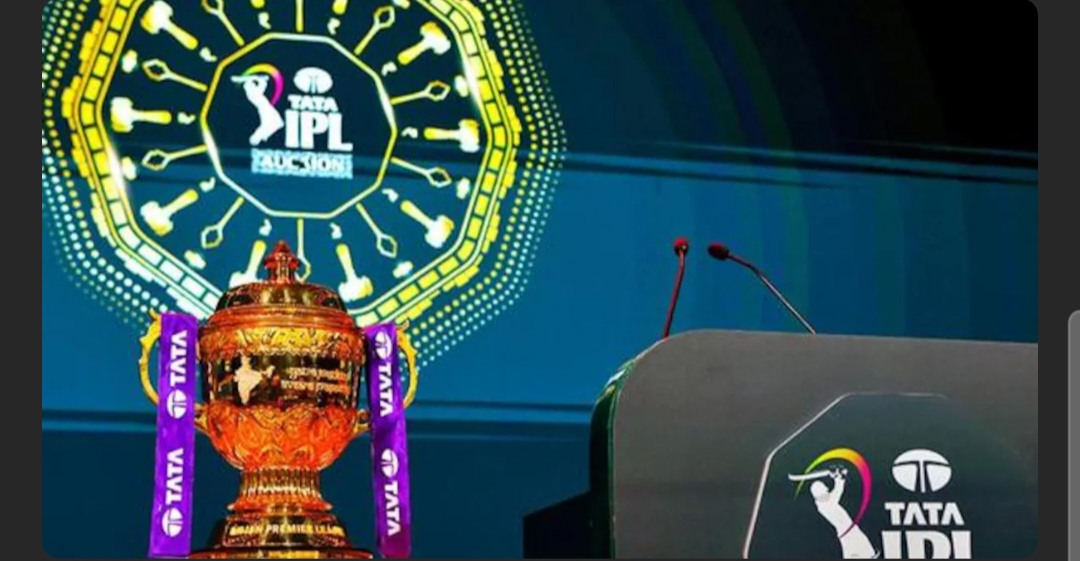
The Indian Premier League (IPL) is one of the most influential and successful cricket tournaments in the world. Launched in 2008 by the Board of Control for Cricket in India (BCCI), the IPL completely transformed how cricket is played, watched, and commercialized. Based on the fast-paced Twenty20 (T20) format, the league blends competitive cricket with entertainment, making it popular among fans of all ages across the globe.
One of the biggest strengths of the IPL is its unique franchise-based system. Teams represent major Indian cities such as Mumbai, Chennai, Kolkata, and Bengaluru, creating strong regional support and rivalry. The annual player auction is a major highlight, where international stars and young domestic players are bought by franchises. This system gives equal opportunities to emerging talent and allows lesser-known players to share the field with world-class cricketers.
The IPL has played a crucial role in the development of Indian cricket. Many players who are now regular members of the Indian national team, such as Jasprit Bumrah, Hardik Pandya, and Rishabh Pant, rose to fame because of their strong IPL performances. The league provides young players with exposure to high-pressure matches, advanced coaching, and international playing styles.
Apart from cricketing excellence, the IPL is also a massive entertainment platform. Matches are known for their thrilling finishes, colorful opening ceremonies, cheerleaders, music, and celebrity team owners. This has helped attract viewers beyond traditional cricket fans. Economically, the IPL has had a significant impact by generating employment and boosting sports marketing and tourism. With multi-billion-dollar broadcasting deals, the IPL is among the richest sports leagues in the world.
In conclusion, the Indian Premier League is much more than just a cricket tournament. It nurtures talent, entertains millions, and promotes Indian cricket globally, setting new benchmarks every year.
By – Dhyaan Pratik Panchal
Std. 6 H B Kapadia School
