
Table of Contents
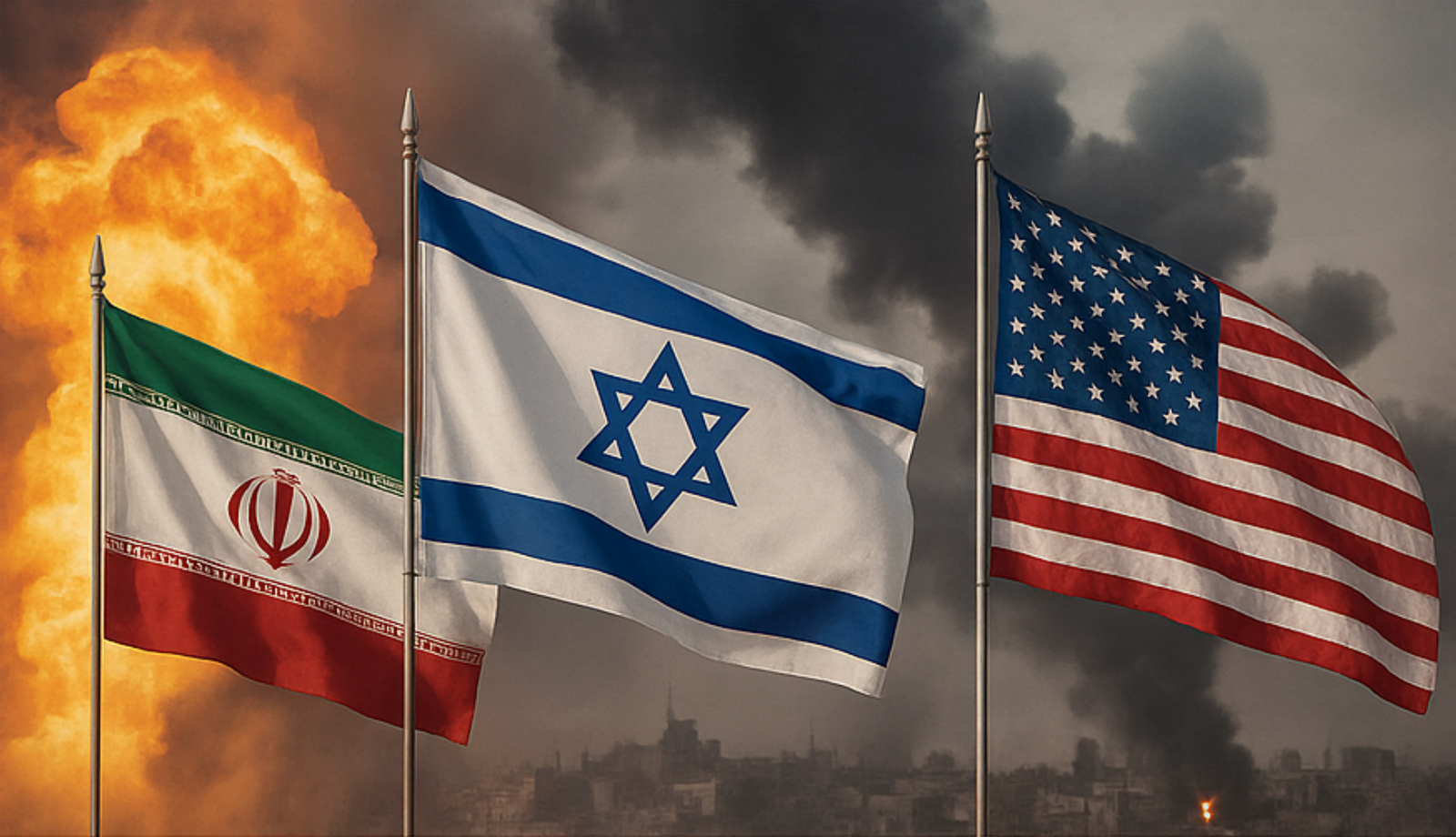
25 June 2025 — A fragile ceasefire between Israel and Iran, brokered by the United States, appeared to hold firm on Wednesday, offering a tentative pause after 12 days of intense cross-border conflict. The deadly skirmishes, which began on 13 June, left hundreds dead and fuelled fears of a wider regional war in the already volatile Middle East.
The violence saw Israel launch a surprise and unprecedented air offensive targeting Iranian nuclear and military facilities, to which Iran responded with a barrage of missile strikes on Israeli cities and defence establishments. The escalation marked one of the most severe direct confrontations between the two regional arch-rivals in recent years.
Ceasefire Begins Amid Mutual Distrust
The truce, negotiated with active intervention from the White House, officially commenced at 04:00 GMT on 24 June. Iran was the first to halt its strikes, with Israel following suit nearly 12 hours later. Initial violations by both sides threatened to derail the fragile peace, but calm prevailed throughout the day – the first lull in hostilities in nearly two weeks.
Tensions flared briefly when Israeli Defence Minister Israel Katz accused Iran of breaching the agreement and ordered renewed “intense strikes” on Tehran. However, Israeli Prime Minister Benjamin Netanyahu, reportedly under direct persuasion from US President Donald Trump, called off further attacks in a last-minute decision to uphold the ceasefire.
Heavy Human and Material Cost
The toll of the conflict has been devastating. Iranian authorities claim that 610 of their citizens, including four Red Crescent ambulance workers, were killed in Israeli airstrikes. Israel, on the other hand, reported 28 fatalities, with many more injured as Iranian missiles struck both military installations and civilian areas.
In a startling revelation, Iranian state media also reported the arrest of 700 individuals allegedly acting as Israeli agents during the crisis. Some of those arrested, officials warned, may face the death penalty under espionage laws.
Nuclear Facilities Targeted, Victory Claimed by Both
Following the truce, both sides have claimed strategic victories. Israeli officials insisted their strikes had significantly delayed Iran’s nuclear ambitions by “many years,” with President Trump boasting that Iran’s enrichment capacity had been pushed back “by decades.”
However, intelligence assessments shared confidentially within US defence circles suggest otherwise. The classified reports indicate that while Iranian nuclear infrastructure suffered damage—particularly at the Fordo underground site—the setbacks may last only a few months. Much of Iran’s enrichment capability, housed deep underground, is said to remain intact.
In response, Iran has pledged to accelerate its uranium enrichment activities and has unilaterally suspended cooperation with the International Atomic Energy Agency (IAEA), raising serious concerns over the loss of international oversight on its nuclear programme.
Diplomacy and the US Mediation Effort
President Trump has positioned himself as a central figure in the ceasefire talks, personally intervening after the initial breach of the truce. In a late-night address, he announced that the US would be meeting Iranian representatives “next week” to explore the possibility of a fresh nuclear agreement, though he downplayed its urgency, stating Iran’s nuclear programme had been “obliterated”.
US Secretary of State and National Security Adviser Marco Rubio clarified that any future deal would hinge on Iran’s willingness to negotiate directly with the United States. Trump’s special envoy for the Middle East, Steve Witkoff, echoed this sentiment and described the ongoing diplomatic efforts as “promising”.
Cautious Global Reactions
World leaders have welcomed the ceasefire with measured optimism. The European Union’s foreign policy chief warned that the situation remains “extremely fragile,” while markets reacted cautiously. Global oil prices, which had surged during the conflict, saw a slight correction amid hopes for stability.
Strategic analysts noted that the hostilities served as a stark reminder of the risks posed by Iran’s contentious nuclear ambitions and Israel’s uncompromising stance on national security. With both sides possessing advanced military capabilities and volatile domestic pressures, the potential for future escalation remains high.
The Road Ahead
As both nations assess the aftermath and count their losses, questions loom about the durability of peace in the region. For now, the guns have fallen silent. But with Iran’s nuclear programme back in the spotlight and US-led negotiations on the horizon, the Middle East stands at a critical crossroads.
Whether this ceasefire is a stepping stone towards sustainable diplomacy or merely a pause before the next confrontation remains to be seen.
